
GM 6.2L V8 Engine Crisis: 997K Trucks & SUVs Under Probe
GM 6.2L V8 Engine Crisis: 997K Trucks & SUVs Under Probe
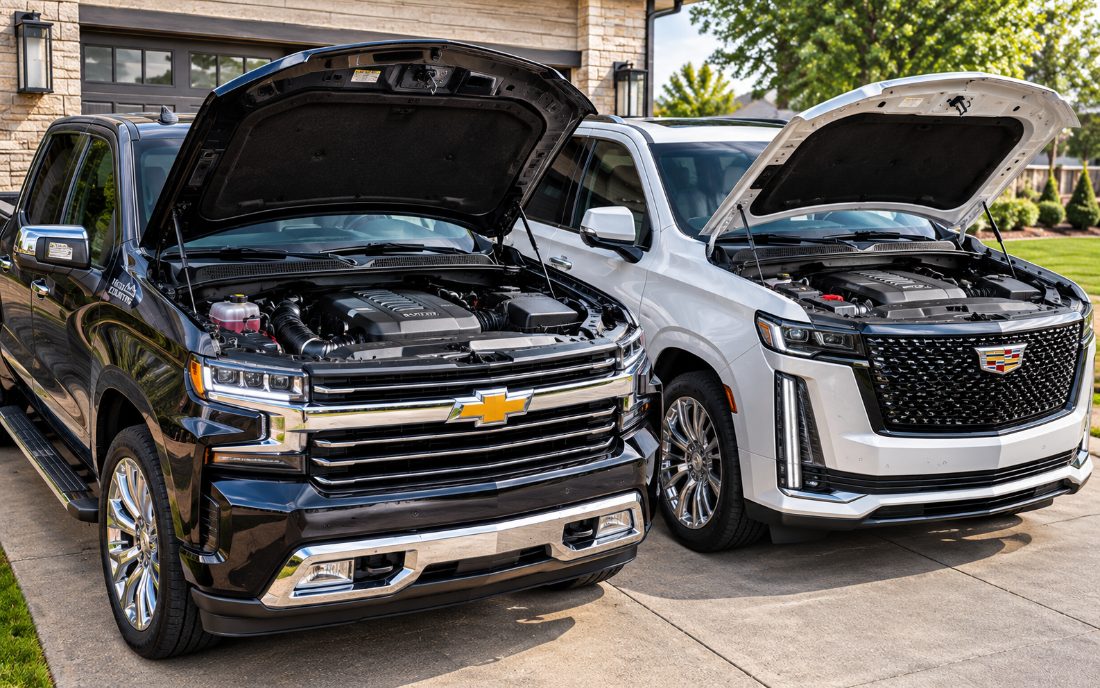
For decades, General Motors sold American truck and luxury SUV buyers on one bulletproof promise: if you stepped up to the big GM 6.2L V8, you were buying proven small-block muscle. Right now, that reputation is facing its toughest stress test in years.
Following a massive April 2025 safety recall (Campaign 25V-274) covering over 597,000 vehicles, the National Highway Traffic Safety Administration (NHTSA) escalated its investigation into an active Engineering Analysis (EA26005)—expanding federal scrutiny to roughly 997,000 trucks and SUVs spanning the 2021 through 2026 model years.
What Is Failing Inside the GM 6.2L V8 (L87)?
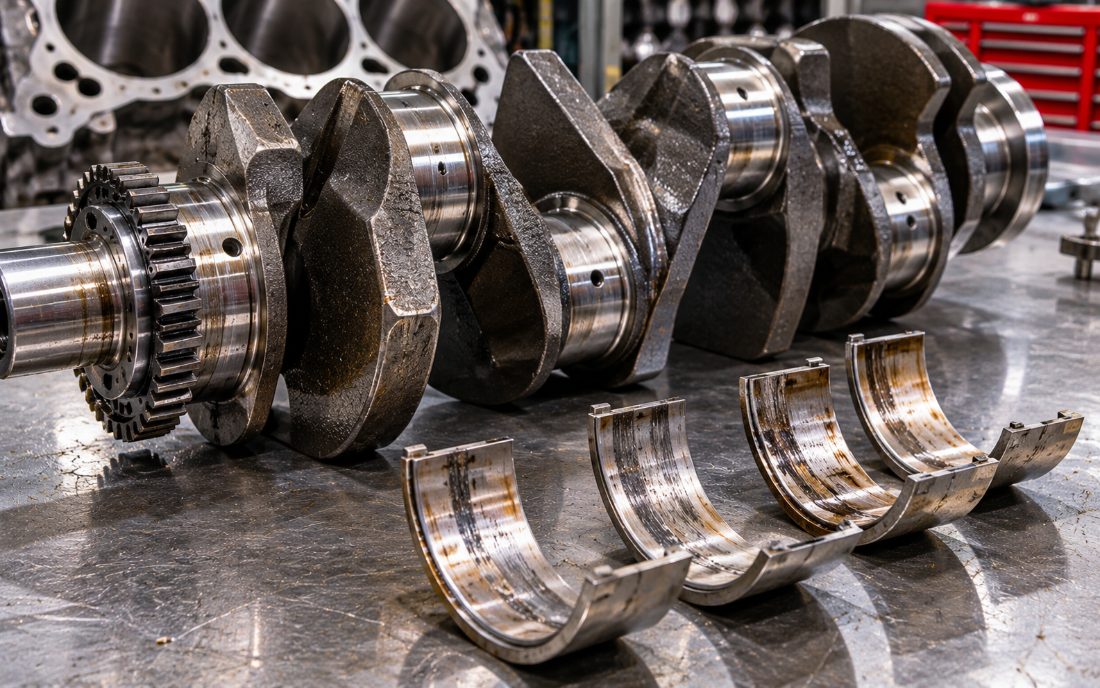
According to federal defect filings and supplier breakdowns tracked by GM-Trucks and dealer service bulletins, the crisis inside the RPO L87 GM 6.2L V8 centers on connecting rods, rod bearings, and crankshafts.
GM traced the root failures to two distinct supplier manufacturing blunders:
- Debris Contamination: Microscopic sediment left inside crankshaft oil galleries and on connecting rods disrupts the razor-thin oil film keeping metal parts apart.
- Dimensional Inaccuracies: Crankshafts machined out-of-specification or with improper surface finishes accelerate friction under load.
Starved of proper lubrication, connecting rod bearings rapidly shred themselves—triggering loud lower-end knocking, internal seizure, and a sudden loss of propulsion at highway speeds.
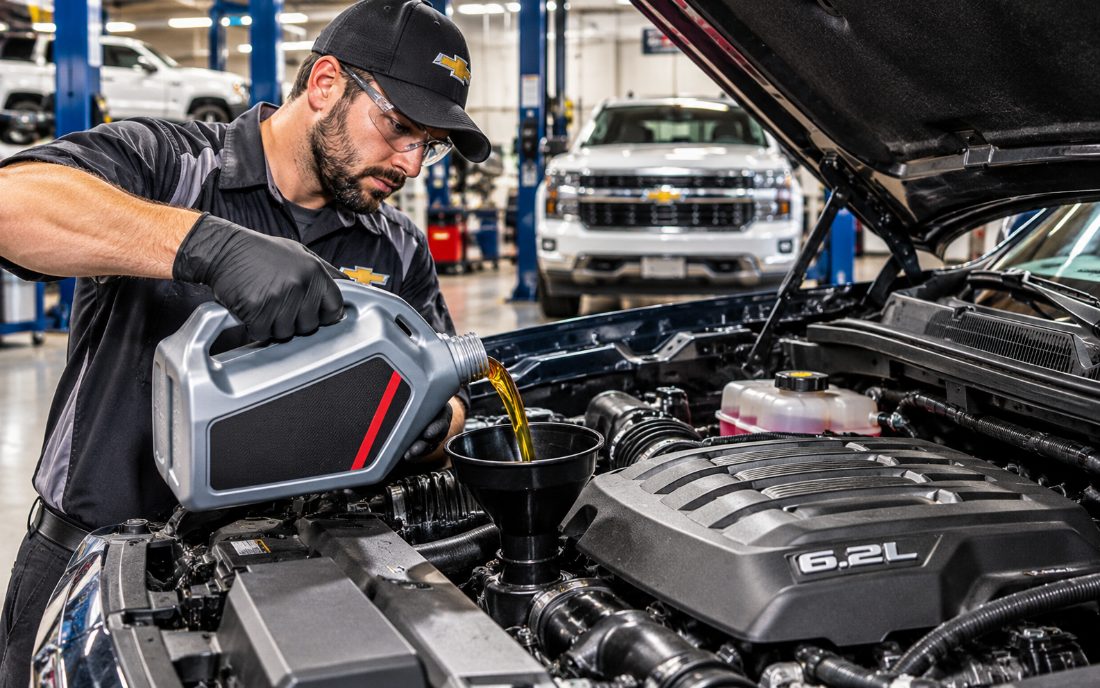
Why the Original GM 6.2L V8 Fix Isn't Stopping Complaints
When GM launched its initial 597,000-vehicle recall in April 2025 for 2021–2024 models, dealers inspected engines and replaced blocks that failed testing. However, trucks and SUVs that "passed" inspection largely received a controversial workaround: dealerships drained the factory oil, poured in thicker 0W-40 full-synthetic oil, swapped the oil filler cap, and updated the owner's manual.
Reports of catastrophic failures after the 0W-40 fix—alongside fresh failures on newer 2025 and 2026 models built past the original May 2024 cutoff—pushed NHTSA to demand nearly 1,000 post-recall failure logs and VIN-level data from General Motors.
Affected Models & Timeline at a Glance
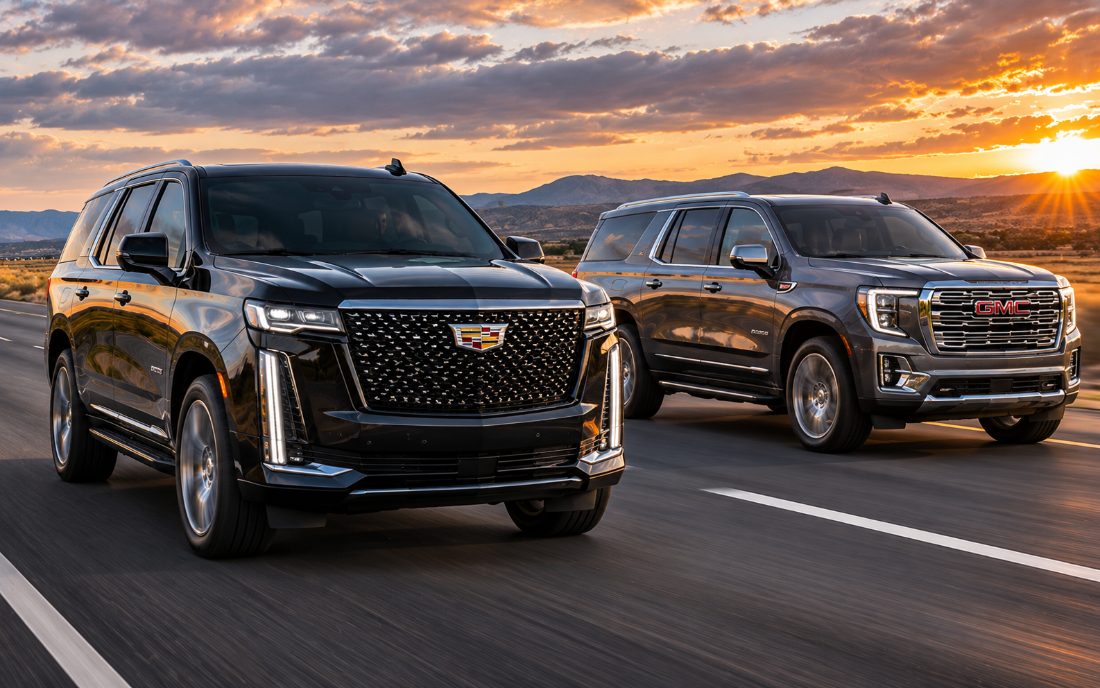
| Brand | Affected Models (L87 6.2L V8) | Probe Scope |
|---|---|---|
| Chevrolet | Silverado 1500, Tahoe, Suburban | 2021–2026 Model Years |
| GMC | Sierra 1500, Yukon, Yukon XL | 2021–2026 Model Years |
| Cadillac | Escalade, Escalade ESV | 2021–2026 Model Years |
What Owners Should Do Right Now
If you drive a 2021–2026 Silverado, Sierra, Tahoe, Yukon, Suburban, or Escalade with the 6.2-liter V8, run your 17-digit VIN at NHTSA.gov/recalls today. Listen closely for lower-block tapping or knocking noises, and save every single oil change receipt and dealer diagnostic log in case a broader secondary recall or engine replacement becomes necessary.
Frequently Asked Questions
Which GM vehicles have the 6.2L V8 L87 engine issue?
The NHTSA Engineering Analysis (EA26005) spans 2021–2026 Chevrolet Silverado 1500, Tahoe, and Suburban; GMC Sierra 1500, Yukon, and Yukon XL; and Cadillac Escalade and Escalade ESV models equipped with the 6.2L L87 V8.
Why did GM switch recalled 6.2L V8 engines to 0W-40 oil?
Higher-viscosity 0W-40 synthetic oil maintains a thicker protective film under heat and load to reduce friction on suspect connecting rod bearings—though NHTSA is actively investigating whether this fix prevents post-recall failures.
Sources & References
- Federal Recall 25V-274 & EA26005 Probe: NHTSA Official Portal / GM-Trucks Coverage