
Demand for the manual Subaru WRX Surges in Surprise JDM Shift
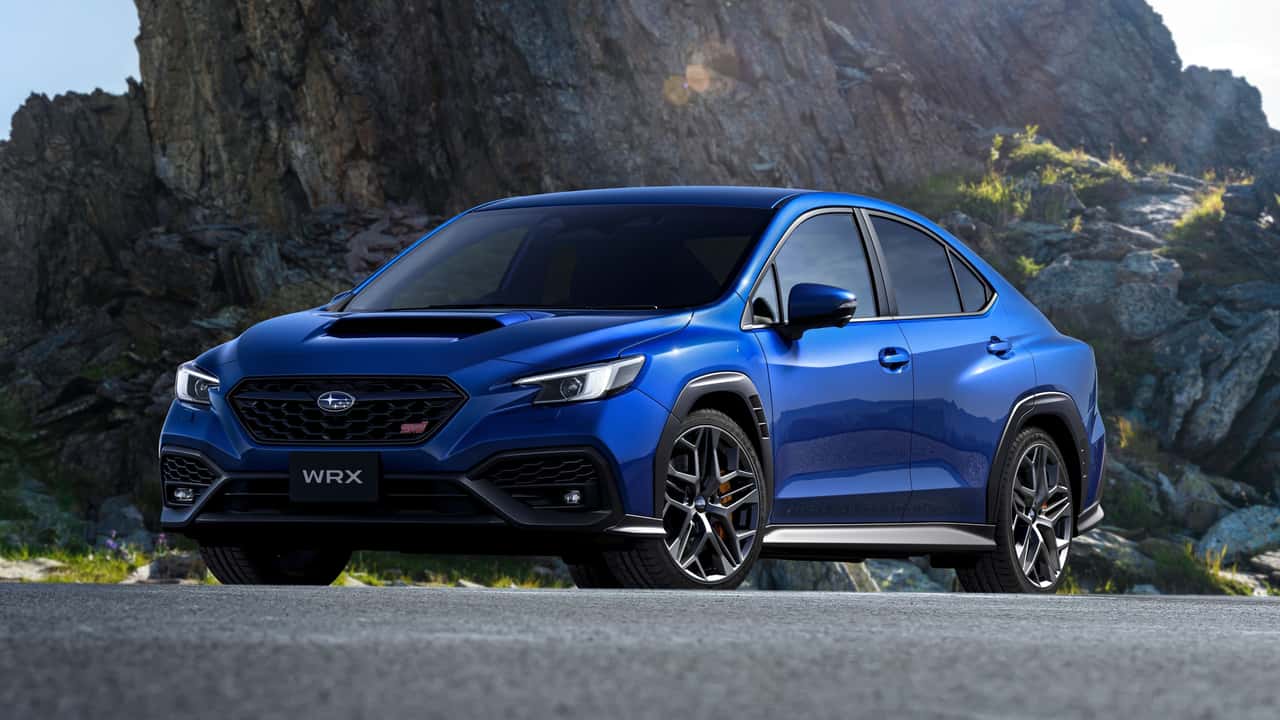
The automotive landscape just received a refreshing wake-up call from Tokyo: Japanese car buyers are overwhelmingly choosing three pedals, driving order volumes for the manual Subaru WRX far past original manufacturer projections. For years, executive bean-counters insisted that automatic gearboxes and continuously variable transmissions were the unyielding future of daily performance driving. Subaru's latest sales figures from its home market shatter that corporate myth, proving that enthusiast purists still hold decisive purchasing power when given the option to shift their own gears.
Why the manual Subaru WRX Dominates New JDM Orders
When Subaru refreshed the VB-generation WRX platform, many market analysts predicted the high-tech Subaru Performance Transmission (SPT)—a heavily tuned CVT—would capture the overwhelming majority of buyers in traffic-dense Japan. Initial home-market allocations leaned heavily toward automatic variants, assuming urban commuters would prioritize turn-key convenience over mechanical involvement. However, recent order data reveals an explosive surge in manual transmission take-rates, catching even Subaru's internal product planners off-guard.
This sudden domestic demand highlights a profound cultural shift among Japanese driving enthusiasts. While two-pedal vehicles dominated the JDM landscape for over a decade, buyers of sport compact cars are actively rejecting synthetic simulated gear shifts. Drivers purchasing the current 2.4-liter turbocharged FA24 platform want an unadulterated connection to the drivetrain. The manual option provides a direct cable-operated linkage, a intuitive clutch feel, and a traditional mechanical center differential that splits torque evenly front-to-rear—a setup that digital clutch packs cannot replicate on a twisty mountain road.
Mechanical Reality Beats Computerized CVTs
To understand why this sales trend matters, one must look closely at the mechanical hardware underneath the chassis. The FA24 turbocharged four-cylinder boxer engine produces 271 horsepower and 258 lb-ft of torque. When mated to the Subaru Performance Transmission, power delivery is managed by complex hydraulic control valves and electronic algorithms designed to mimic stepped gear ratios. While efficient on paper, it inevitably dampens throttle response and isolates the driver from the engine's power band.
In contrast, the six-speed manual gearbox strips away electronic nanny intervention. Launching off the line delivers immediate mechanical hookup through Subaru's symmetrical all-wheel-drive system. The pedal placement allows for effortless heel-and-toe downshifts, giving drivers total authority over engine braking during aggressive corner entry. For automotive purists in Japan, where mountain passes demand precise chassis control, the three-pedal configuration is a absolute performance necessity.
Furthermore, opting for the manual gearbox reduces curb weight significantly. Shedding over 100 pounds compared to the SPT-equipped model improves turn-in sharpness and reduces thermal stress during extended track sessions or spirited canyon driving.
WRX Mechanical Specifications Comparison
To illustrate how the transmission choices alter the character and mechanics of the platform, examine the key specifications between the manual and automatic offerings:
| Specification | 6-Speed Manual WRX | Subaru Performance Transmission (SPT) |
|---|---|---|
| Engine Type | 2.4L Turbocharged Boxer FA24 | 2.4L Turbocharged Boxer FA24 |
| Horsepower | 271 hp @ 5,600 RPM | 271 hp @ 5,600 RPM |
| Torque | 258 lb-ft @ 2,000-5,200 RPM | 258 lb-ft @ 2,000-5,200 RPM |
| All-Wheel Drive System | Continuous AWD (Viscous Center Diff) | Variable Torque Distribution (VTD AWD) |
| Est. Curb Weight | 3,290 lbs | 3,530 lbs |
| Driver Engagement | Direct Mechanical Control | Computer-Simulated Ratios |
What the Japanese Market Trend Means for Global Enthusiasts
The booming popularity of the manual gearbox in Japan carries massive implications for global car culture, particularly in North America. For years, automakers justified the phase-out of manual transmissions by citing sluggish sales numbers in overseas markets. Subaru's domestic sales reality completely dismantles that lazy argument. When a car manufacturer builds a dedicated sports car platform and offers a proper manual box, enthusiasts will show up with cash in hand.
This shift puts pressure on competitors like Toyota, Honda, and Hyundai to protect their own manual offerings in hot hatches and sport compacts. Vehicles like the Civic Type R and GR Corolla have proven that manual gearboxes command serious dealer markups and passionate buyer loyalty. Subaru's JDM results demonstrate that the appetite for driver-centric sports cars isn't just surviving; it is expanding.
As electrification and automated driving tech threaten to homogenize modern vehicles into appliance-like rolling computers, raw mechanical interaction has become the ultimate luxury feature. Subaru's experience in Japan serves as a clear signal to product planners worldwide: trust the enthusiast community, protect mechanical hardware, and keep building three-pedal performance cars.